








Performance Acceleration Scenarios

Ongoing Operation and Tuning
Low Latency Delivery

Flexible Cache Logic

Backend Load Reduction

High Throughput
High Availability with Varnish Cache
Varnish Cache improves availability by absorbing traffic at the HTTP layer and reducing direct dependency on backend services. By serving cached responses from memory, it limits the impact of backend slowdowns, restarts, or partial outages on end users.
When deployed with redundancy and clear cache rules, Varnish helps environments continue handling high request volumes during traffic spikes, backend maintenance, or uneven load patterns, keeping applications responsive even under stress.

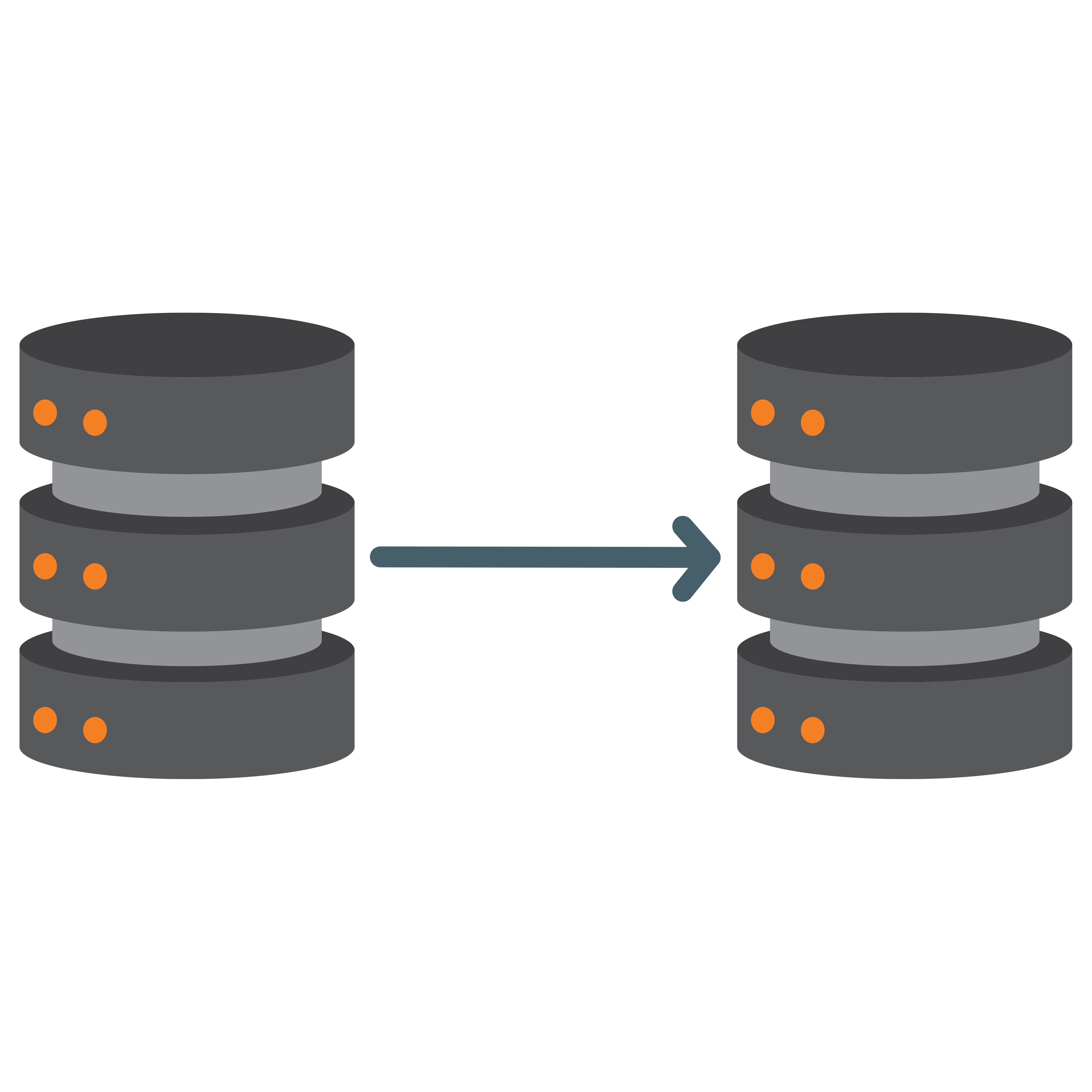
Active-Standby Cache Nodes
This pattern uses multiple Varnish nodes in front of application backends, typically behind a load balancer. Requests are distributed across cache nodes, allowing one instance to fail or restart without interrupting traffic. It is simple to operate and well suited for most web workloads.
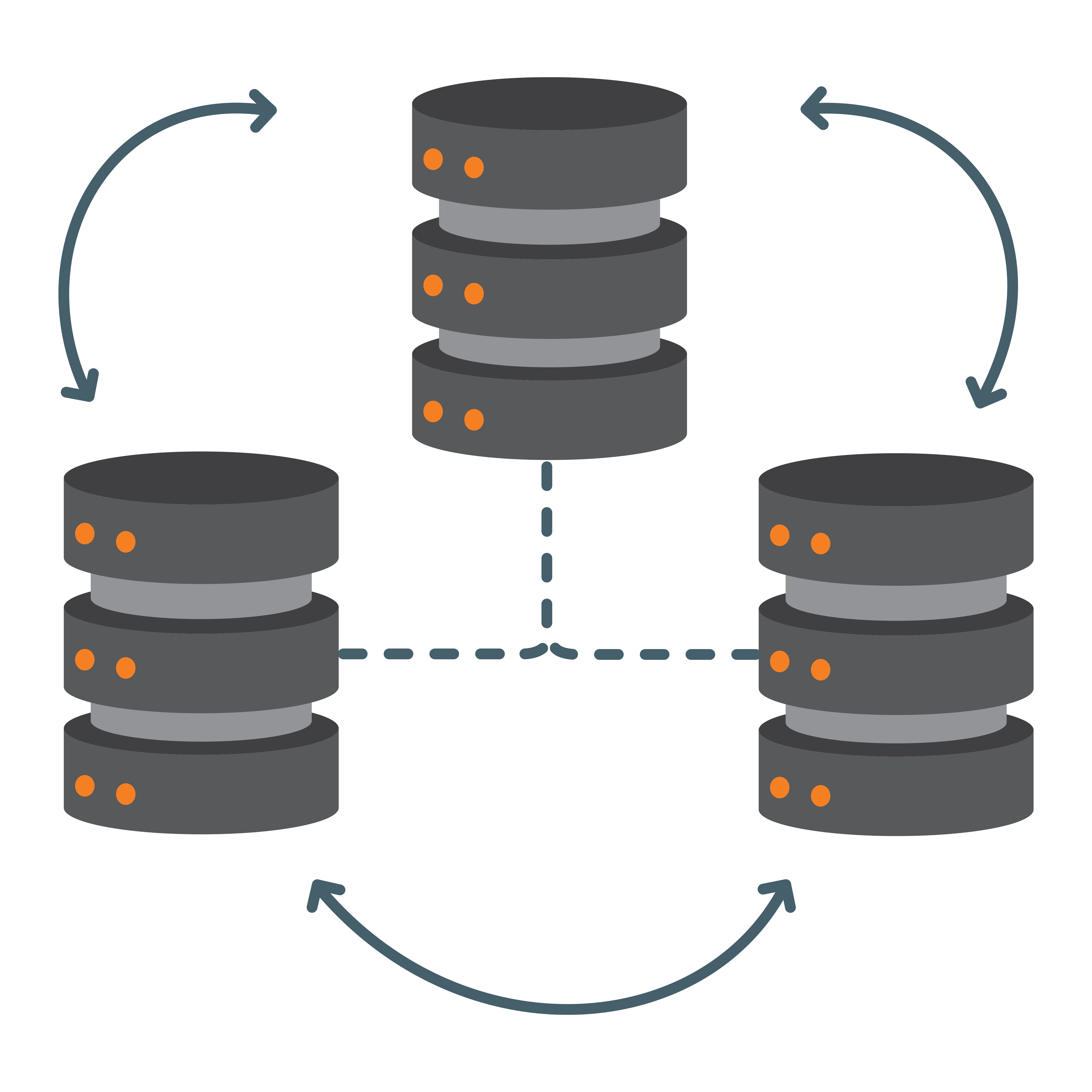
Coordinated Cache Fleets
In larger environments, multiple Varnish nodes operate as a coordinated cache layer with shared invalidation logic. While each node caches independently, consistent rules and purge workflows ensure predictable behavior. This approach supports higher throughput and smoother scaling during traffic growth.

Multi-Region Cache Placement
Varnish can be deployed close to users across multiple locations to reduce latency and protect regional backends. This pattern improves resilience against localized failures and helps maintain performance for globally distributed traffic when paired with region-aware routing.
How Crafty Penguins Uses Varnish Cache
Crafty Penguins designs Varnish caching layers that balance performance gains with strict correctness requirements. We work with teams to define cache rules, headers, and invalidation paths that align with application behavior, content lifecycles, and deployment workflows rather than relying on default caching assumptions.
Our engineers integrate Varnish with logging and monitoring to provide clear visibility into cache effectiveness and request flow. This includes tracking hit ratios, backend fallthrough, purge activity, and error conditions so teams can understand how caching decisions affect real traffic patterns.
As traffic characteristics and application behavior change over time, we help refine caching strategies to keep performance improvements consistent and safe. This includes adjusting rules as features evolve, validating changes during releases, and ensuring caching behavior remains predictable under sustained load.
Don't Take Our Word For It



Patrick Laberge
They’ve transformed our computing infrastructure from a constant source of stress to a pillar of reliability.


David Stokes
Crafty Penguins “Get me out of trouble service” (GMOOT) was an excellent choice for us. Their pricing and customer service is fair and easily understood. Their technicians were knowledgeable, and great partners who helped us migrate an older Linux distro from AWS to a VMWare instance.


Etienne V. Labelle
What I appreciate most about Crafty Penguins (aside from the great name) is how effortless it is to work with them. If I need a change, I just send a message on Slack, and someone knowledgeable takes care of it. I don’t have to learn HAProxy or figure out how to migrate to Kubernetes myself — I know it’ll be handled properly and reliably.
I can’t recommend Crafty Penguins highly enough. They’ve completely changed how we manage our systems, and I finally get a good night’s sleep.


Paul Schloeder
“Where things stand today at 1WorldSync, from an infrastructure perspective, are night and day from where they were when I first started. One cannot measure the stability and peace of mind that CraftyPenguins has brought to 1WorldSync.”


Clint Bounds
Crafty Penguins also developed a robust deployment process with seamless rollback capabilities, while DigitalOcean provides a dependable infrastructure backbone. In over two years since the migration, Plan to Eat has not experienced a single major outage — a marked improvement over previous AWS operations.
“There’s no single point of failure,” Clint notes. “When large companies on AWS face issues, our website keeps running smoothly — and that feels great.”
Patrick Laberge
They’ve transformed our computing infrastructure from a constant source of stress to a pillar of reliability.
David Stokes
Crafty Penguins “Get me out of trouble service” (GMOOT) was an excellent choice for us. Their pricing and customer service is fair and easily understood. Their technicians were knowledgeable, and great partners who helped us migrate an older Linux distro from AWS to a VMWare instance.
Etienne V. Labelle
What I appreciate most about Crafty Penguins (aside from the great name) is how effortless it is to work with them. If I need a change, I just send a message on Slack, and someone knowledgeable takes care of it. I don’t have to learn HAProxy or figure out how to migrate to Kubernetes myself — I know it’ll be handled properly and reliably.
I can’t recommend Crafty Penguins highly enough. They’ve completely changed how we manage our systems, and I finally get a good night’s sleep.
Paul Schloeder
“Where things stand today at 1WorldSync, from an infrastructure perspective, are night and day from where they were when I first started. One cannot measure the stability and peace of mind that CraftyPenguins has brought to 1WorldSync.”
Clint Bounds
Crafty Penguins also developed a robust deployment process with seamless rollback capabilities, while DigitalOcean provides a dependable infrastructure backbone. In over two years since the migration, Plan to Eat has not experienced a single major outage — a marked improvement over previous AWS operations.
“There’s no single point of failure,” Clint notes. “When large companies on AWS face issues, our website keeps running smoothly — and that feels great.”
Patrick Laberge
They’ve transformed our computing infrastructure from a constant source of stress to a pillar of reliability.
The Crafty Penguin's Way - Our Proven Process
- A practical and effective initial onboarding experience
- Reliable long-term relationships
- Build trust through reporting
- Enable your systems to keep improving over time
FAQ
TO SEE HOW CRAFTY PENGUINS CAN HELP
PLEASE FILL OUT THE FORM BELOW