







Operational Use Cases

Lifecycle and Maintenance Planning

Operational Simplicity

Replication Support

Broad Compatibility

Efficient performance
High Availability in MySQL
MySQL high availability focuses on maintaining continuous access to data while balancing performance, consistency, and operational complexity. Rather than a single prescriptive model, MySQL provides several architectural patterns that can be combined to meet different uptime and scaling requirements. Choosing the right approach depends on write patterns, recovery expectations, and how quickly applications must respond to failures.
A well-designed MySQL availability strategy reduces unplanned downtime and supports maintenance without service interruption. Clear role separation, controlled replication, and health awareness allow environments to remain predictable even as infrastructure changes or components fail.
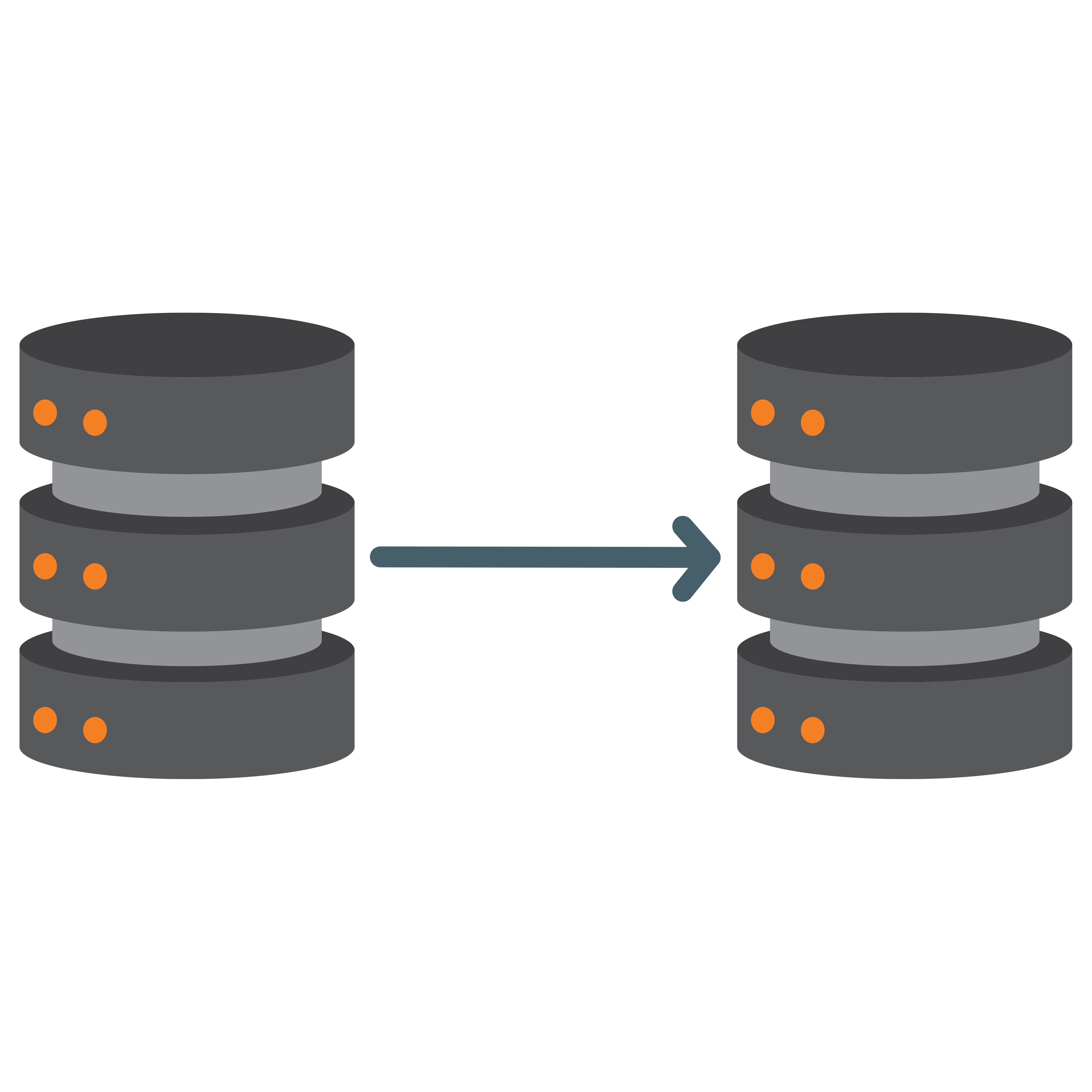
Primary Replica Topology
In this approach, a single MySQL node handles all write operations while one or more replicas receive changes asynchronously. Replicas can serve read traffic or remain on standby for recovery scenarios. This topology is widely used due to its simplicity and flexibility, and it works well when read scaling or basic failover capability is required without introducing complex coordination.
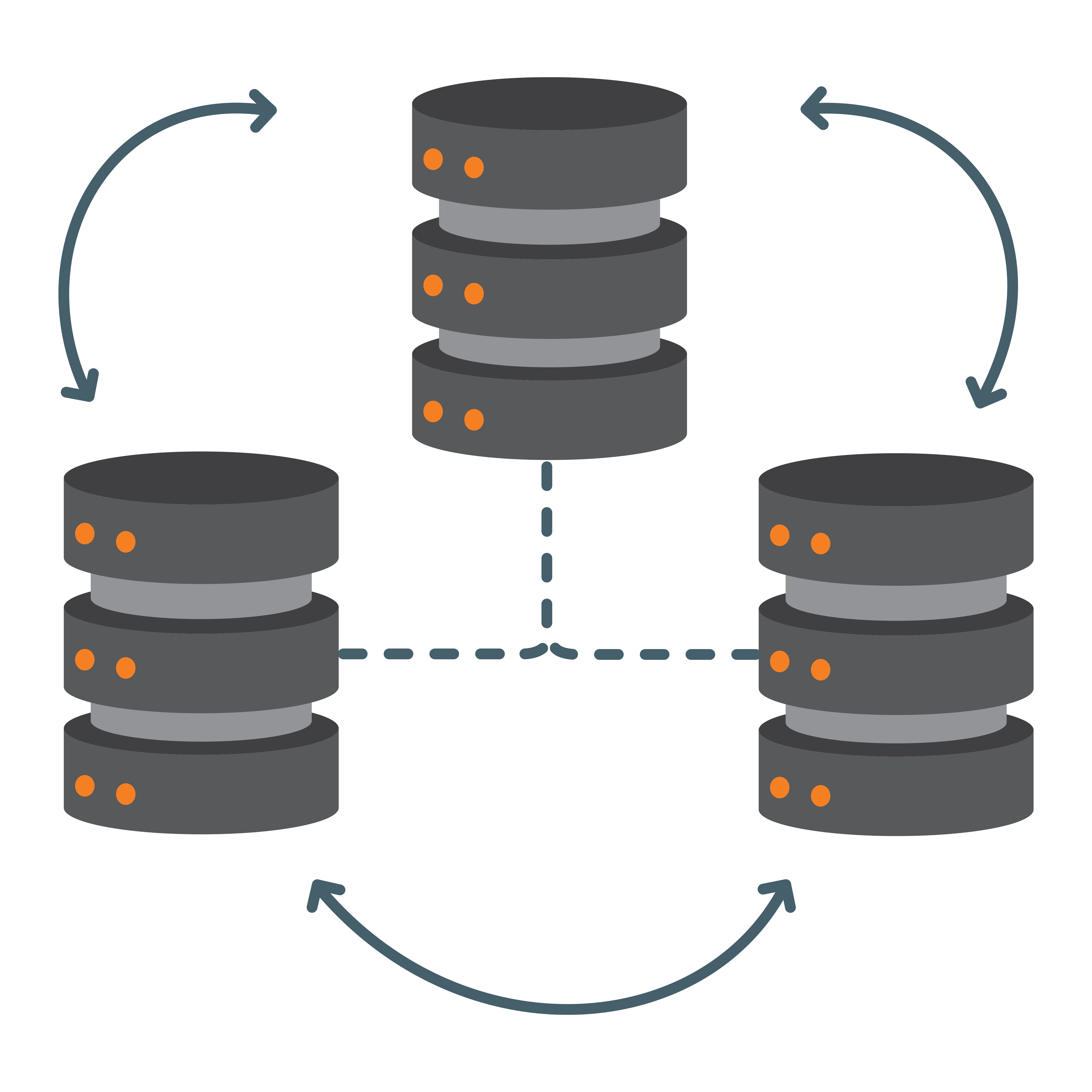
MySQL Group Replication
Group replication enables multiple MySQL nodes to operate as a coordinated group, maintaining a consistent view of data across members. Built-in consensus and failure detection allow the group to continue operating when a node becomes unavailable. This pattern supports automatic failover and controlled write access, making it suitable for environments that require stronger availability guarantees and tighter coordination.
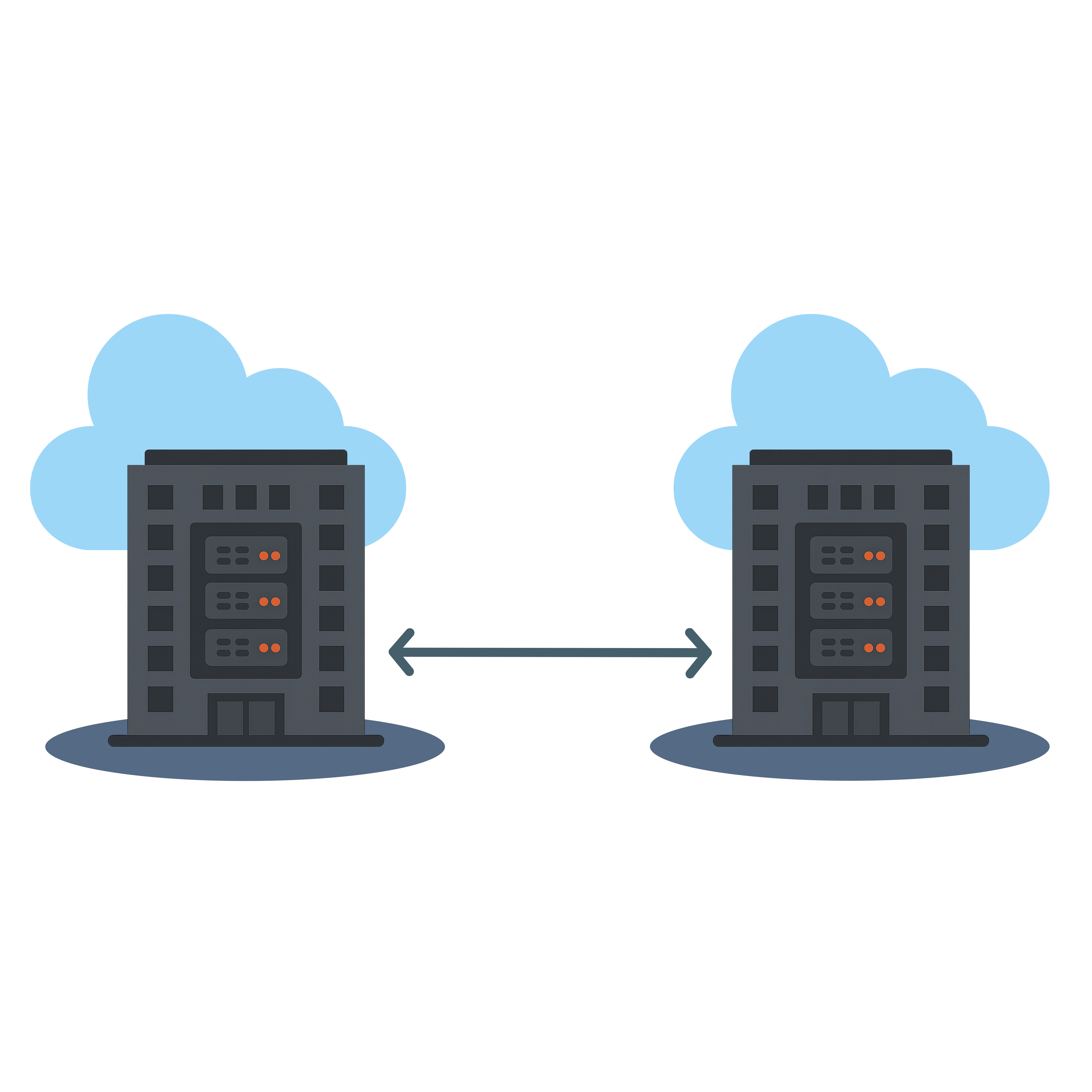
Geographic Replication and Recovery Designs
MySQL can replicate data across locations to support disaster recovery and regional resilience. These designs protect against site-level failures and allow recovery without manual data restoration. Because network latency affects replication behavior, careful planning is required to balance recovery objectives with application performance. When implemented correctly, geographic replication adds a strong layer of protection for critical data.
How Crafty Penguins Uses MySQL
Crafty Penguins supports MySQL deployments where simplicity and reliability are priorities, particularly in environments that rely on familiar operational patterns. We help teams design schemas, configure replication layouts, and implement backup routines that protect data and support clear recovery expectations.
Our engineers assist with performance tuning, access controls, and monitoring integration to keep behavior predictable as workloads evolve. By reviewing query patterns and replication health, we help reduce performance bottlenecks and operational drift. We also plan safe upgrades and validate changes before rollout to limit disruption during maintenance.
The result is a MySQL environment that remains easy to operate, observable, and dependable as usage grows.
Don't Take Our Word For It



Patrick Laberge
They’ve transformed our computing infrastructure from a constant source of stress to a pillar of reliability.


Brent Bawel
Crafty Penguins helped us cut our server rack monthly rental in half. Also, our prior consultants recommended us purchasing more servers, but the assessment of Crafty Penguins showed us that we had enough space with what was already there. We value honesty and trust of their team, which is a pretty big deal when IT is not familiar territory for anyone working in the company.


Clint Bounds
Crafty Penguins also developed a robust deployment process with seamless rollback capabilities, while DigitalOcean provides a dependable infrastructure backbone. In over two years since the migration, Plan to Eat has not experienced a single major outage — a marked improvement over previous AWS operations.
“There’s no single point of failure,” Clint notes. “When large companies on AWS face issues, our website keeps running smoothly — and that feels great.”


Paul Schloeder
“Where things stand today at 1WorldSync, from an infrastructure perspective, are night and day from where they were when I first started. One cannot measure the stability and peace of mind that CraftyPenguins has brought to 1WorldSync.”
Clint Bounds
Crafty Penguins also developed a robust deployment process with seamless rollback capabilities, while DigitalOcean provides a dependable infrastructure backbone. In over two years since the migration, Plan to Eat has not experienced a single major outage — a marked improvement over previous AWS operations.
“There’s no single point of failure,” Clint notes. “When large companies on AWS face issues, our website keeps running smoothly — and that feels great.”
Patrick Laberge
They’ve transformed our computing infrastructure from a constant source of stress to a pillar of reliability.
Brent Bawel
Crafty Penguins helped us cut our server rack monthly rental in half. Also, our prior consultants recommended us purchasing more servers, but the assessment of Crafty Penguins showed us that we had enough space with what was already there. We value honesty and trust of their team, which is a pretty big deal when IT is not familiar territory for anyone working in the company.
Clint Bounds
Crafty Penguins also developed a robust deployment process with seamless rollback capabilities, while DigitalOcean provides a dependable infrastructure backbone. In over two years since the migration, Plan to Eat has not experienced a single major outage — a marked improvement over previous AWS operations.
“There’s no single point of failure,” Clint notes. “When large companies on AWS face issues, our website keeps running smoothly — and that feels great.”
Paul Schloeder
“Where things stand today at 1WorldSync, from an infrastructure perspective, are night and day from where they were when I first started. One cannot measure the stability and peace of mind that CraftyPenguins has brought to 1WorldSync.”
Clint Bounds
Crafty Penguins also developed a robust deployment process with seamless rollback capabilities, while DigitalOcean provides a dependable infrastructure backbone. In over two years since the migration, Plan to Eat has not experienced a single major outage — a marked improvement over previous AWS operations.
“There’s no single point of failure,” Clint notes. “When large companies on AWS face issues, our website keeps running smoothly — and that feels great.”
Patrick Laberge
They’ve transformed our computing infrastructure from a constant source of stress to a pillar of reliability.
The Crafty Penguin's Way - Our Proven Process
- A practical and effective initial onboarding experience
- Reliable long-term relationships
- Build trust through reporting
- Enable your systems to keep improving over time
FAQ
TO SEE HOW CRAFTY PENGUINS CAN HELP
PLEASE FILL OUT THE FORM BELOW