








Operational Use Cases

Lifecycle and Maintenance Planning

Schema Flexibility

Horizontal Scaling

High Write Performance

Replication Awareness
High Availability in MongoDB
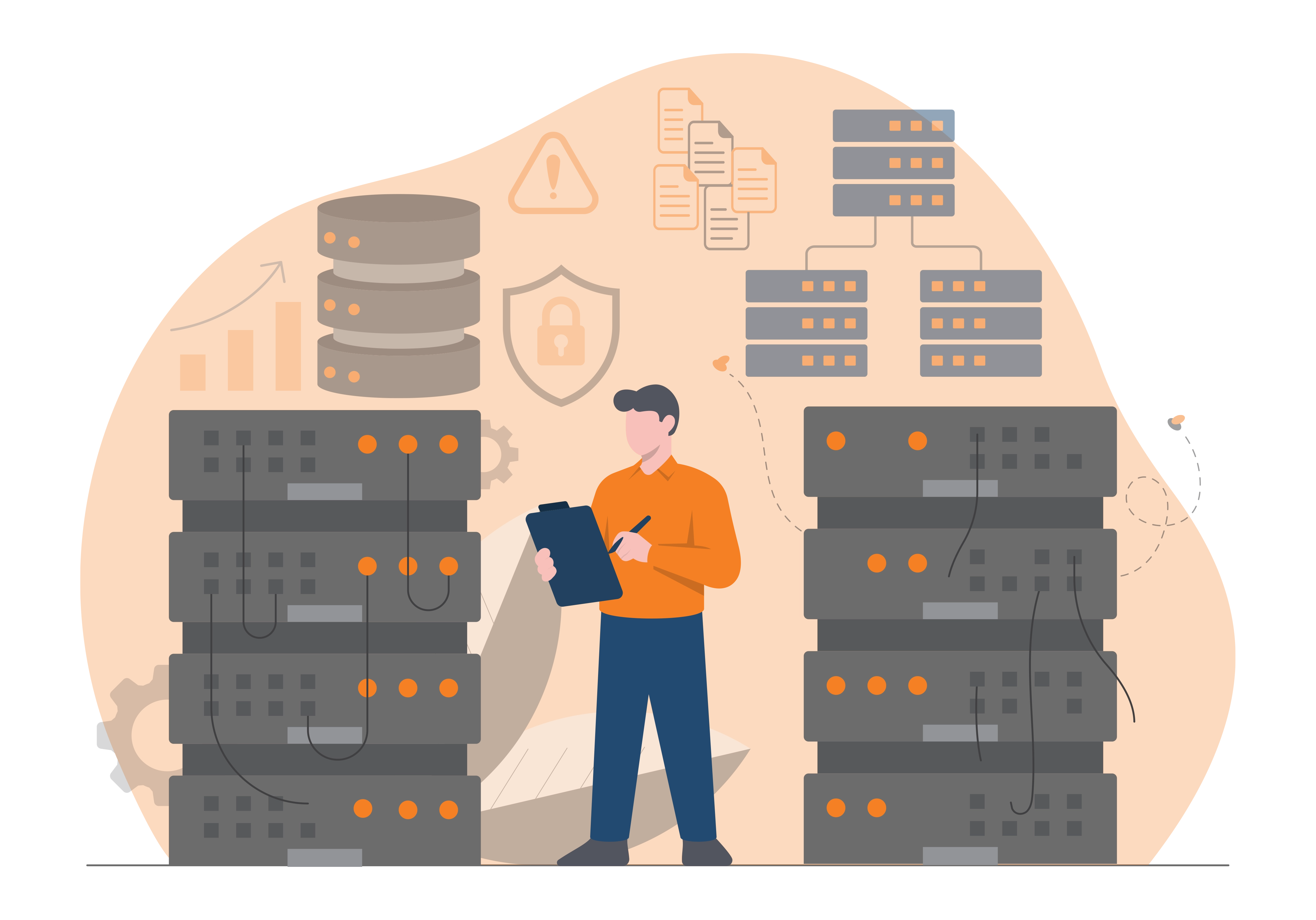
MongoDB availability is built around redundancy at the data layer and coordinated behavior between nodes. Rather than relying on a single failover mechanism, MongoDB combines replication, data distribution, and topology awareness to keep applications responsive during component or location failures.
These patterns allow MongoDB deployments to continue serving traffic during maintenance events, node loss, or infrastructure disruption, while giving operators clear control over consistency, durability, and recovery behavior.
Replica Set Architecture
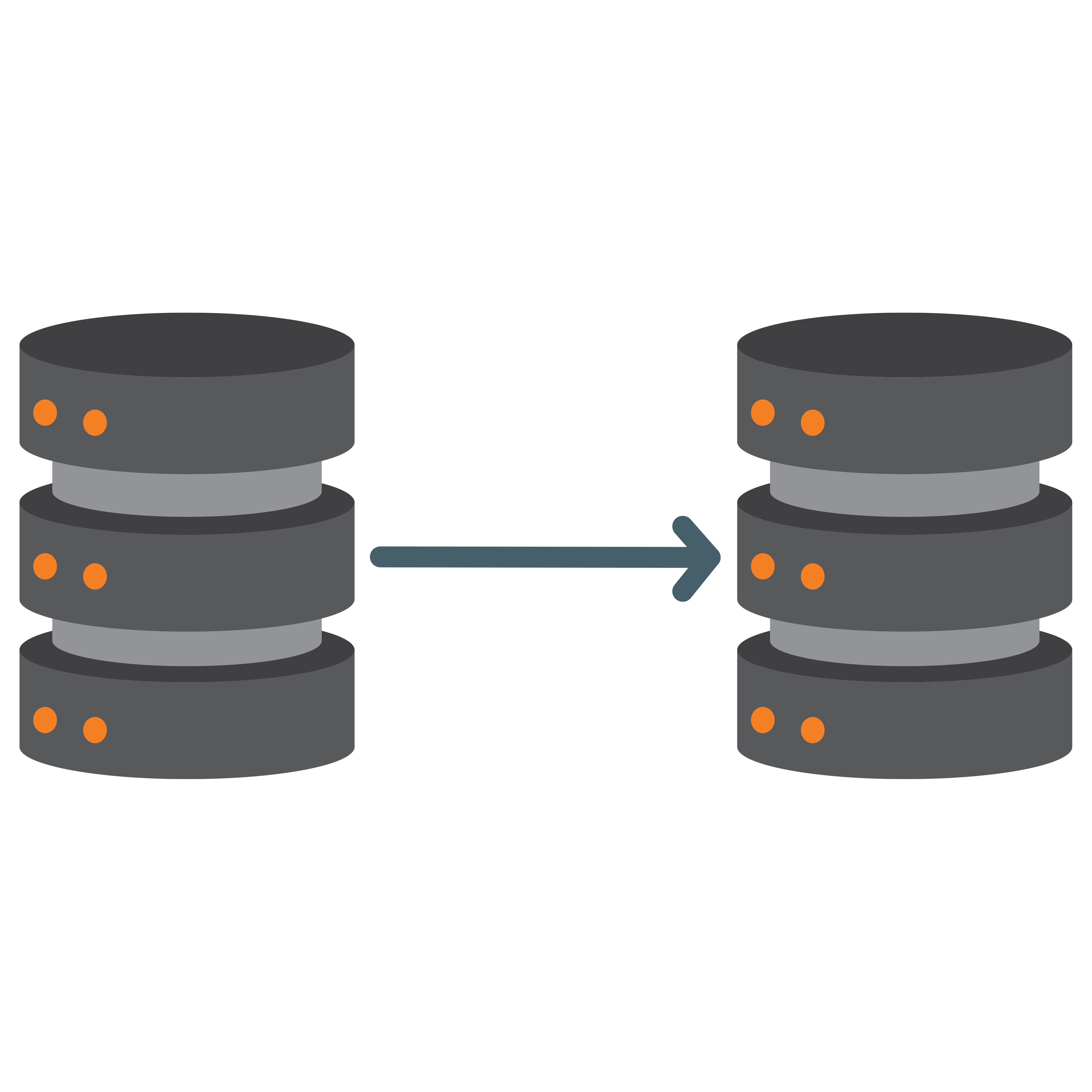
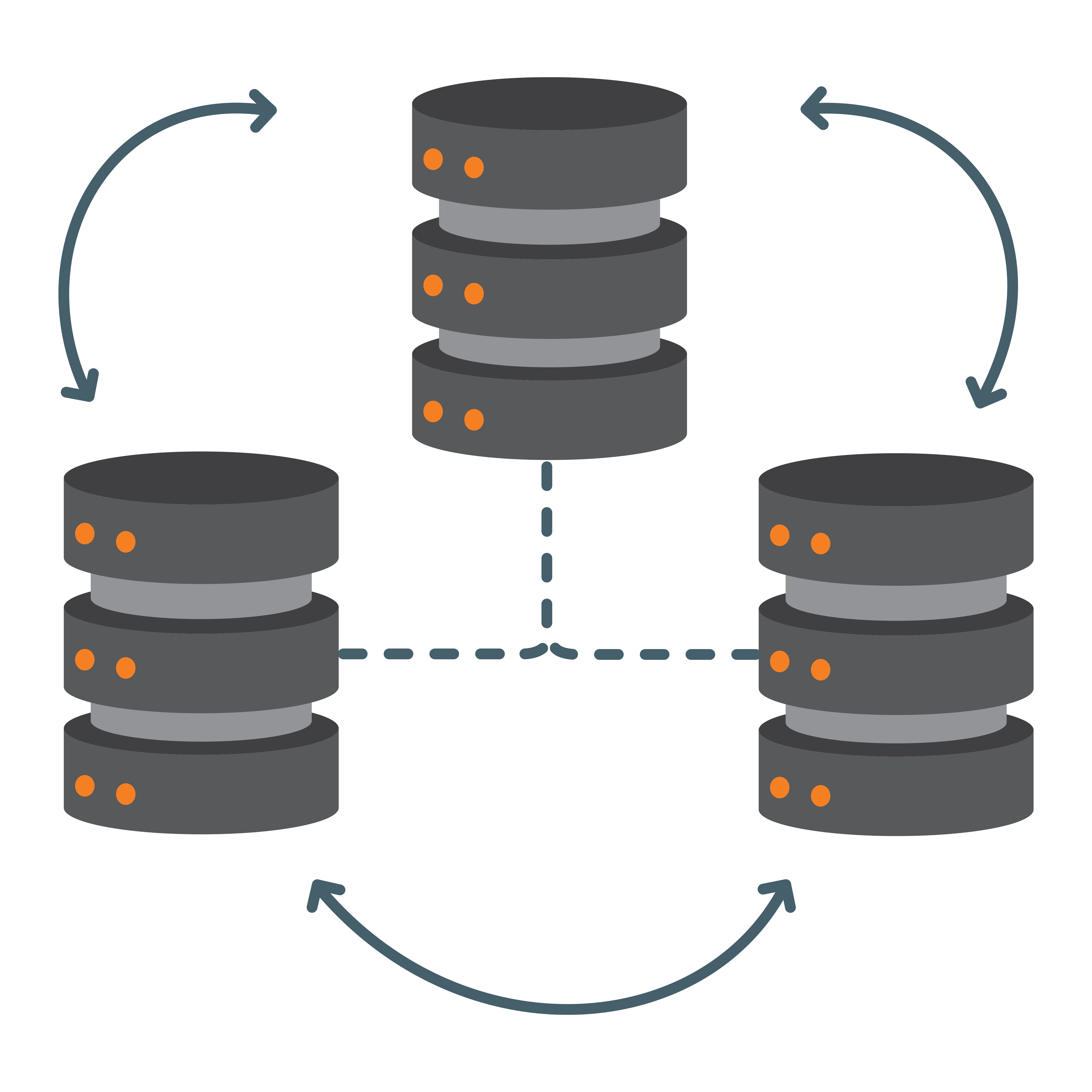
Replica sets form the core of MongoDB availability. Data is maintained across multiple members, with one node handling writes and others maintaining synchronized copies. If the primary becomes unavailable, an election promotes a replacement automatically, minimizing disruption without manual intervention.
Region-Aware Deployments
MongoDB supports deployments that span availability zones or geographic regions. By placing replica set members strategically, teams can tolerate location-level failures and reduce read latency for distributed users. These designs require careful consideration of write concerns, network latency, and operational complexity.

Sharded Topologies
Sharding enables MongoDB to distribute data across multiple replica sets, scaling both capacity and throughput. High availability is preserved because each shard maintains its own redundancy. Proper shard key selection is critical to avoid uneven load and ensure failover events do not concentrate traffic on a single shard.
How Crafty Penguins Uses MongoDB
Crafty Penguins supports MongoDB in environments where flexibility and scalability are core requirements. We help teams design data models, indexing strategies, and replication layouts that align with real workload behavior.
Our engineers assist with backup planning, access controls, and monitoring integration so MongoDB deployments remain observable and reliable. We focus on preventing common pitfalls such as inefficient queries and unbalanced shards.
As environments grow, we help plan scaling, validate upgrades, and maintain consistency across deployments. The result is a MongoDB footprint that stays flexible without becoming unpredictable.
Don't Take Our Word For It



Patrick Laberge
They’ve transformed our computing infrastructure from a constant source of stress to a pillar of reliability.


Etienne V. Labelle
What I appreciate most about Crafty Penguins (aside from the great name) is how effortless it is to work with them. If I need a change, I just send a message on Slack, and someone knowledgeable takes care of it. I don’t have to learn HAProxy or figure out how to migrate to Kubernetes myself — I know it’ll be handled properly and reliably.
I can’t recommend Crafty Penguins highly enough. They’ve completely changed how we manage our systems, and I finally get a good night’s sleep.


Herman van Rhijn
Having Crafty Penguins manage our systems saves us time so that we can focus on our core business. At the moment, we serve 25,000+ customers with only two of our own staff members. The team of Crafty Penguins has very in-depth knowledge, is capable of investigating the issues a lot deeper than an average IT provider and is always there for us when we need them.


Paul Schloeder
“Where things stand today at 1WorldSync, from an infrastructure perspective, are night and day from where they were when I first started. One cannot measure the stability and peace of mind that CraftyPenguins has brought to 1WorldSync.”


Clint Bounds
Crafty Penguins also developed a robust deployment process with seamless rollback capabilities, while DigitalOcean provides a dependable infrastructure backbone. In over two years since the migration, Plan to Eat has not experienced a single major outage — a marked improvement over previous AWS operations.
“There’s no single point of failure,” Clint notes. “When large companies on AWS face issues, our website keeps running smoothly — and that feels great.”
Patrick Laberge
They’ve transformed our computing infrastructure from a constant source of stress to a pillar of reliability.
Etienne V. Labelle
What I appreciate most about Crafty Penguins (aside from the great name) is how effortless it is to work with them. If I need a change, I just send a message on Slack, and someone knowledgeable takes care of it. I don’t have to learn HAProxy or figure out how to migrate to Kubernetes myself — I know it’ll be handled properly and reliably.
I can’t recommend Crafty Penguins highly enough. They’ve completely changed how we manage our systems, and I finally get a good night’s sleep.
Herman van Rhijn
Having Crafty Penguins manage our systems saves us time so that we can focus on our core business. At the moment, we serve 25,000+ customers with only two of our own staff members. The team of Crafty Penguins has very in-depth knowledge, is capable of investigating the issues a lot deeper than an average IT provider and is always there for us when we need them.
Paul Schloeder
“Where things stand today at 1WorldSync, from an infrastructure perspective, are night and day from where they were when I first started. One cannot measure the stability and peace of mind that CraftyPenguins has brought to 1WorldSync.”
Clint Bounds
Crafty Penguins also developed a robust deployment process with seamless rollback capabilities, while DigitalOcean provides a dependable infrastructure backbone. In over two years since the migration, Plan to Eat has not experienced a single major outage — a marked improvement over previous AWS operations.
“There’s no single point of failure,” Clint notes. “When large companies on AWS face issues, our website keeps running smoothly — and that feels great.”
Patrick Laberge
They’ve transformed our computing infrastructure from a constant source of stress to a pillar of reliability.
The Crafty Penguin's Way - Our Proven Process
- A practical and effective initial onboarding experience
- Reliable long-term relationships
- Build trust through reporting
- Enable your systems to keep improving over time
FAQ
TO SEE HOW CRAFTY PENGUINS CAN HELP
PLEASE FILL OUT THE FORM BELOW