







A Brief Look at MariaDB’s Roots

What Makes MariaDB Stand Out

Performance-Focused

Flexible Storage Engines

Robust Replication & Clustering

Fully Open-Source
High Availability in MariaDB
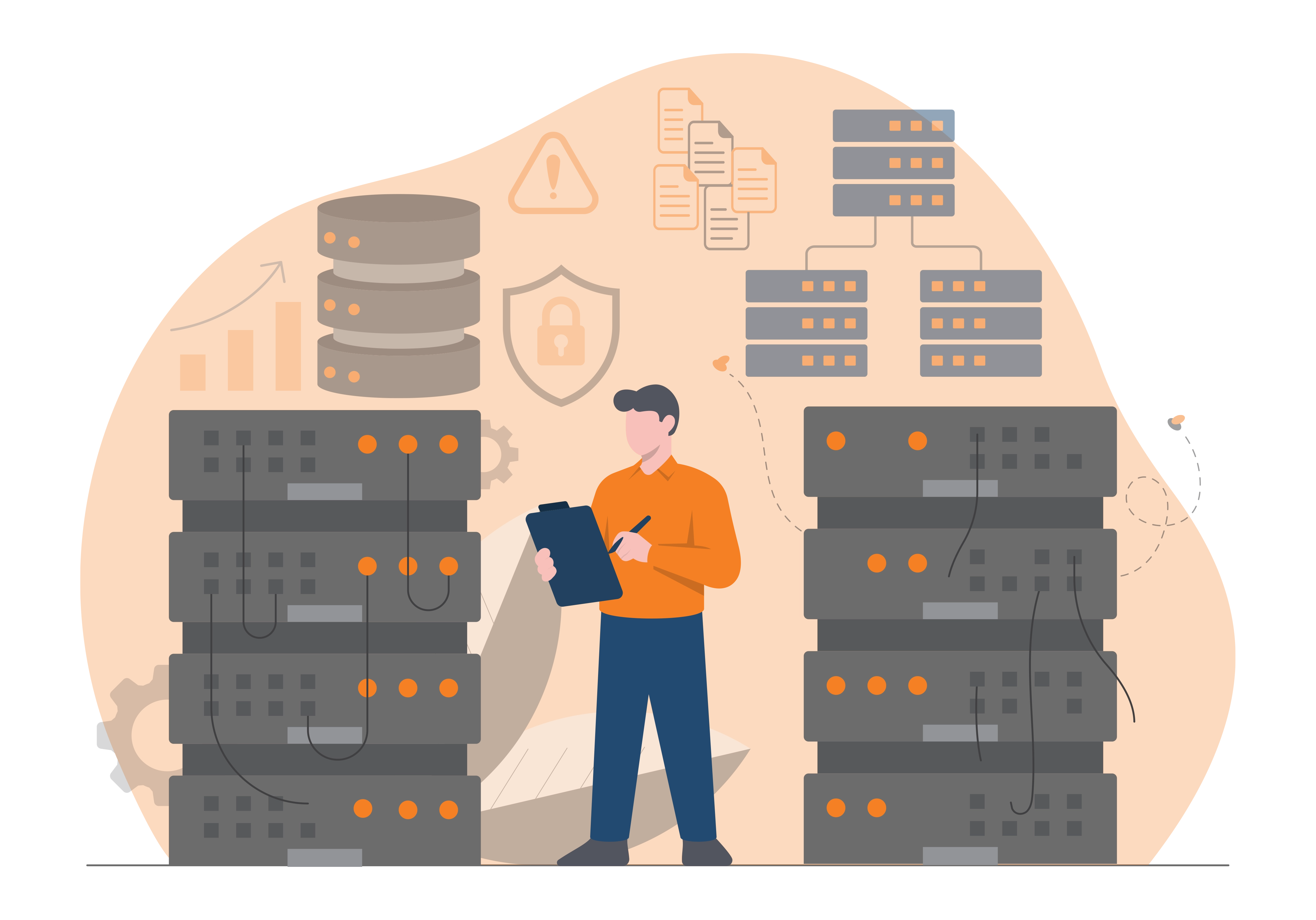
MariaDB supports several high-availability (HA) options that help organizations build resilient, fault-tolerant database environments. Whether you need simple failover, multi-node replication, or full multi-primary clustering, MariaDB offers mature and flexible patterns that fit a wide range of workloads.
MariaDB’s predictability and consistency help teams minimize downtime, reduce risk, and keep critical applications running smoothly—even during maintenance, version upgrades, or unexpected outages.
Primary-Replica Replication
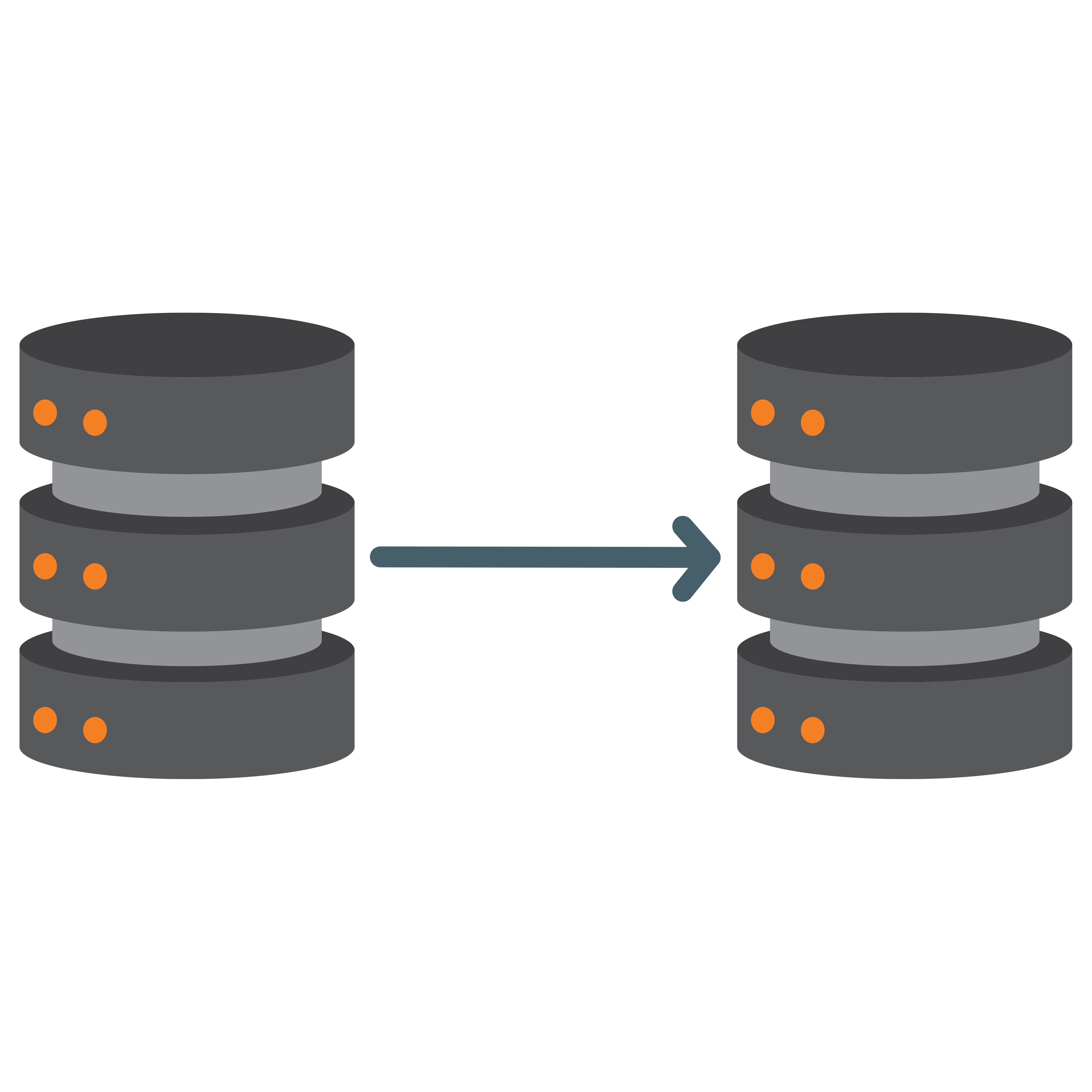
This model uses a primary server that handles writes and one or more replicas for reads. It’s simple, widely deployed, and ideal for scaling read-heavy workloads while reducing load on the primary node.
Galera Cluster
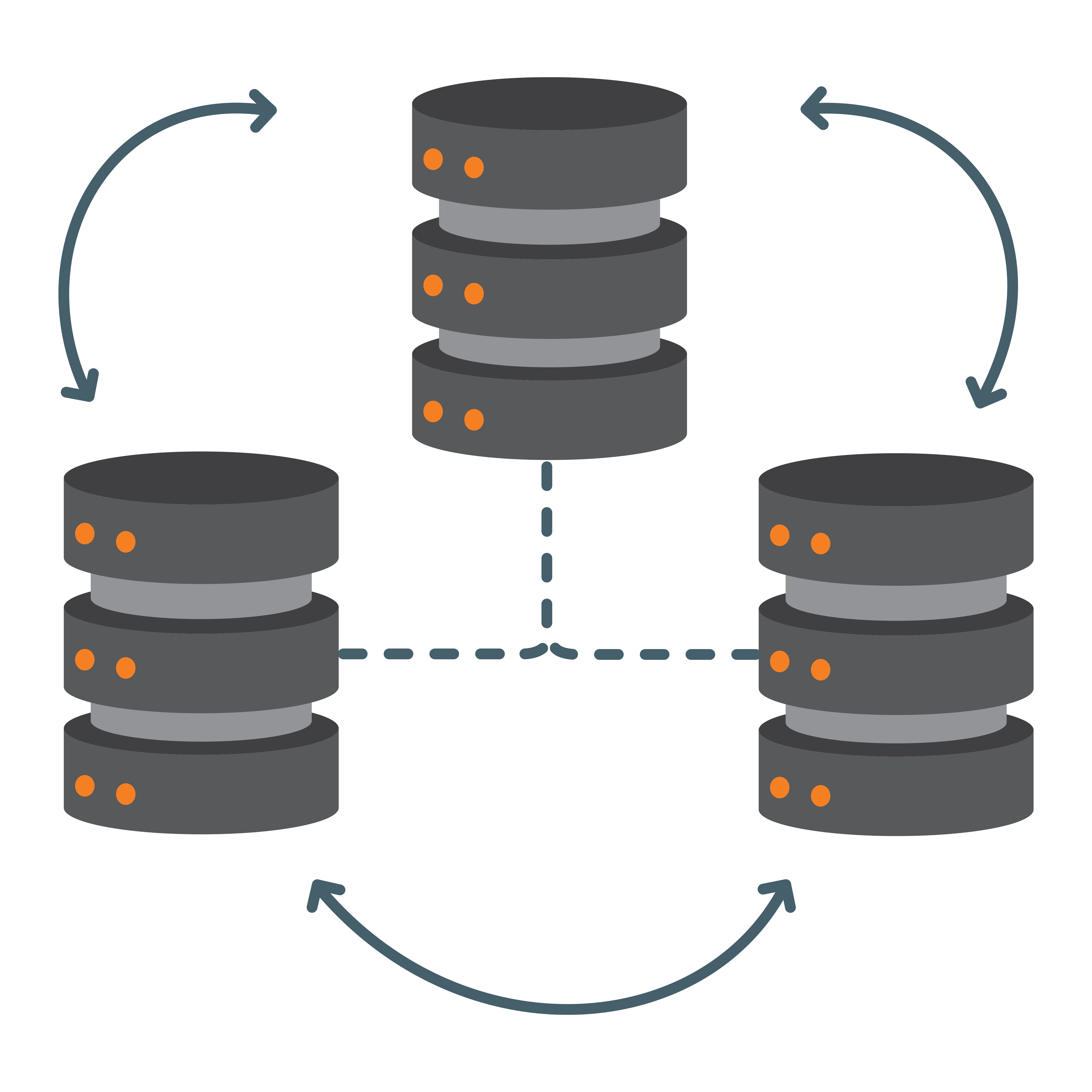
Galera provides synchronous multi-primary clustering, allowing every node to accept writes while staying in sync. This ensures strong data consistency, zero data loss on failover, and smooth rolling maintenance — making it suitable for mission-critical systems.
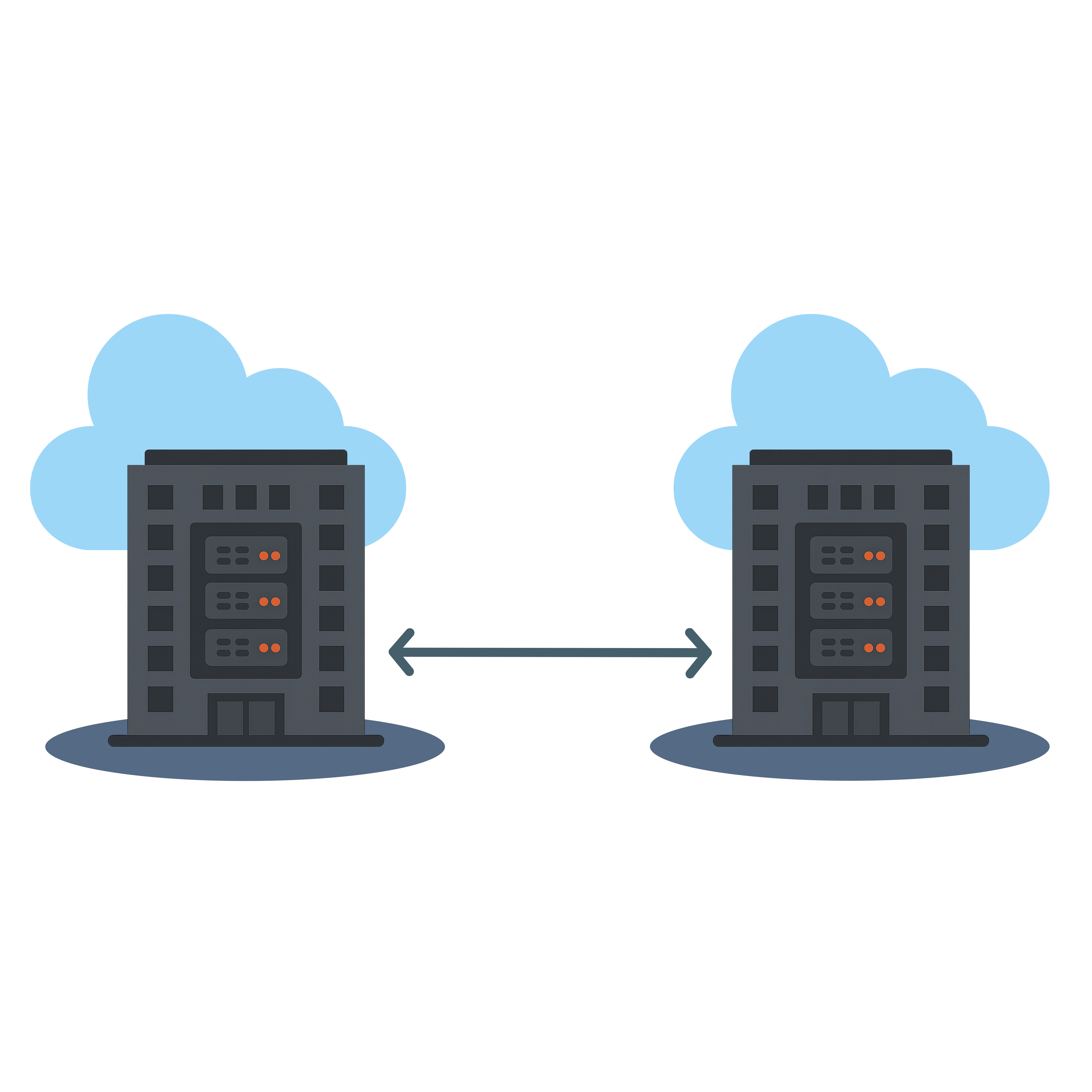
Distributed / Multi-Region Patterns
MariaDB can replicate across datacenters and geographic regions, enabling disaster recovery, improved latency for global users, and resilience against regional outages. This architecture helps ensure continuity even when entire sites go offline.
How Crafty Penguins Uses MariaDB
At Crafty Penguins, MariaDB is an important part of our database toolkit. We use it in internal testing environments and deploy it for clients who need stable, predictable SQL performance without vendor lock-in.
MariaDB gives our engineers a reliable platform for tuning queries, setting up replication, and designing resilient database architectures. Because its behavior is consistent and well-documented, we can confidently build automation pipelines, monitoring systems, and migration plans around it.
Our hands-on experience allows us to help organizations optimize performance, strengthen reliability, and adopt database practices that scale smoothly as their applications grow.
Don't Take Our Word For It



Paul Schloeder
“Where things stand today at 1WorldSync, from an infrastructure perspective, are night and day from where they were when I first started. One cannot measure the stability and peace of mind that CraftyPenguins has brought to 1WorldSync.”


Clint Bounds
Crafty Penguins also developed a robust deployment process with seamless rollback capabilities, while DigitalOcean provides a dependable infrastructure backbone. In over two years since the migration, Plan to Eat has not experienced a single major outage — a marked improvement over previous AWS operations.
“There’s no single point of failure,” Clint notes. “When large companies on AWS face issues, our website keeps running smoothly — and that feels great.”


Patrick Laberge
They’ve transformed our computing infrastructure from a constant source of stress to a pillar of reliability.
Paul Schloeder
“Where things stand today at 1WorldSync, from an infrastructure perspective, are night and day from where they were when I first started. One cannot measure the stability and peace of mind that CraftyPenguins has brought to 1WorldSync.”
Clint Bounds
Crafty Penguins also developed a robust deployment process with seamless rollback capabilities, while DigitalOcean provides a dependable infrastructure backbone. In over two years since the migration, Plan to Eat has not experienced a single major outage — a marked improvement over previous AWS operations.
“There’s no single point of failure,” Clint notes. “When large companies on AWS face issues, our website keeps running smoothly — and that feels great.”
Patrick Laberge
They’ve transformed our computing infrastructure from a constant source of stress to a pillar of reliability.
Paul Schloeder
“Where things stand today at 1WorldSync, from an infrastructure perspective, are night and day from where they were when I first started. One cannot measure the stability and peace of mind that CraftyPenguins has brought to 1WorldSync.”
Clint Bounds
Crafty Penguins also developed a robust deployment process with seamless rollback capabilities, while DigitalOcean provides a dependable infrastructure backbone. In over two years since the migration, Plan to Eat has not experienced a single major outage — a marked improvement over previous AWS operations.
“There’s no single point of failure,” Clint notes. “When large companies on AWS face issues, our website keeps running smoothly — and that feels great.”
Patrick Laberge
They’ve transformed our computing infrastructure from a constant source of stress to a pillar of reliability.
The Crafty Penguin's Way - Our Proven Process
- A practical and effective initial onboarding experience
- Reliable long-term relationships
- Build trust through reporting
- Enable your systems to keep improving over time
FAQ
TO SEE HOW CRAFTY PENGUINS CAN HELP
PLEASE FILL OUT THE FORM BELOW